Most Common Treatment Areas
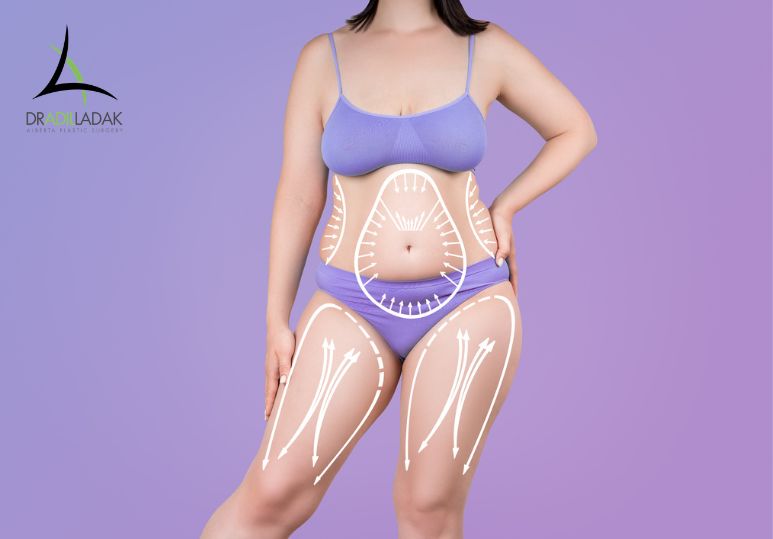
Liposuction is most effective in areas where fat tends to accumulate and remain resistant to lifestyle changes. These areas are typically influenced by genetics and fat distribution patterns, meaning that even with consistent diet and exercise, certain fat deposits may persist.
The most commonly treated areas include:
- Abdomen
One of the most frequently treated areas. The abdomen often retains fat despite weight loss efforts, particularly in the lower region. Liposuction can improve contour, reduce fullness, and create a flatter, more defined appearance. This area tends to respond well when fat is localized and skin elasticity allows for smooth retraction after treatment.
- Flanks (Love Handles)
Fat along the sides of the waist is often resistant to exercise. Liposuction in this area enhances waist definition and improves the transition between the abdomen and back. This can significantly impact overall body proportions.
- Thighs
Both inner and outer thighs are commonly treated. Liposuction can reduce excess fat, improve spacing between the inner thighs, and create a more balanced leg contour. Results depend on skin quality and how well the tissue adapts after fat removal.
- Hips
Fat around the hips can create a disproportionate silhouette. Treating this area helps smooth the transition between the waist and thighs, contributing to a more balanced and natural contour.
- Arms
Upper arm fat is often difficult to reduce through exercise alone. Liposuction can create a more toned appearance and improve proportion, particularly when skin elasticity is sufficient to support a smooth result.
- Back
Fat in the upper or lower back can create folds or uneven contours, especially around the bra line. Liposuction helps refine these areas and improve the overall silhouette, particularly when combined with treatment of adjacent zones.
These areas respond well because the fat is typically localized and accessible. Liposuction allows for controlled removal, which helps refine the shape rather than drastically alter body size. The goal is to enhance natural proportions while maintaining balance across treated and untreated areas.
Secondary and Smaller Areas
In addition to larger treatment zones, liposuction is also effective in smaller or more detailed areas of the body. These regions require a more precise approach, as even small adjustments can produce noticeable changes.
Common secondary areas include:
- Chin and Neck
Liposuction can remove excess fat beneath the chin and along the jawline, improving definition and profile. This area often responds well because subtle fat reduction can create a sharper and more structured appearance.
- Chest (in men)
Liposuction is frequently used to address excess fat in the chest, improving contour and symmetry. This can help create a flatter and more defined appearance.
- Knees
Fat deposits around the knees can affect the overall shape of the legs. Targeted treatment can refine this area and improve proportion, particularly when combined with thigh contouring.
- Calves and Ankles
In select cases, liposuction may be used to refine lower leg contours. However, outcomes in these areas depend heavily on anatomy, and careful patient selection is important.
- Bra Line Area
Fat near the bra line is a common concern and often resistant to exercise. Liposuction can smooth this region and improve how clothing fits.
These areas require a more conservative and detailed technique. The goal is not significant volume reduction, but rather subtle refinement that complements surrounding contours. Precision is critical to ensure results appear natural and balanced.
Treating smaller areas can also enhance the overall outcome when combined with larger zones. For example, addressing the chin and neck alongside the abdomen or flanks can create a more cohesive appearance across the body.
Because these changes are more refined, expectations should be aligned with subtle improvement rather than dramatic transformation. When performed appropriately, these adjustments can have a meaningful impact on overall proportions.
What Makes an Area Ideal for Liposuction
Not all areas of the body respond equally to liposuction. Certain characteristics make some areas more suitable for treatment, and understanding these factors helps determine whether the procedure will be effective.
Key factors include:
- Localized Fat Deposits
Liposuction is most effective when fat is concentrated in specific areas. Diffuse fat distribution is more difficult to treat with contouring techniques alone.
- Good Skin Elasticity
Skin that can contract after fat removal produces smoother and more predictable results. Reduced elasticity may lead to less optimal contouring outcomes.
- Stable Body Weight
Patients who are close to their target weight typically achieve better results. Liposuction is not a weight loss procedure, but a method of refining shape.
- Defined Treatment Goals
Clear, realistic goals are essential. Liposuction works best when used to enhance proportions rather than achieve large-scale changes.
It is also important to understand what liposuction does not treat effectively.
The procedure is not intended for:
- Loose or sagging skin without underlying fat
- Significant or rapid weight loss
- Cellulite reduction
- Generalized obesity
In these situations, other treatments may be more appropriate, either alone or in combination with liposuction.
Results can vary depending on the treatment area and individual anatomy. Larger areas such as the abdomen and thighs often show more visible contour changes, while smaller areas provide more subtle refinement. The overall outcome depends on how the body responds during healing and how well the skin adapts to the new contours.
Additional factors that influence results include:
- Skin quality and thickness
- Fat density and distribution
- Healing response
- Post-procedure care and lifestyle
Most patients notice improvements such as:
- Better body proportions
- Smoother and more consistent contours
- Enhanced overall balance
Results develop gradually as swelling subsides and tissues settle into their final shape. This process can take several weeks, with continued improvement over time. Maintaining a stable weight is essential for preserving results, as remaining fat cells can still expand if weight increases.
When liposuction is performed on appropriate areas and with realistic expectations, it can provide consistent and predictable improvements in body contour. It is most effective as a targeted solution for specific concerns, helping patients achieve a more balanced and proportionate appearance.
FAQs
Q: WHAT ARE THE MOST COMMON AREAS FOR LIPOSUCTION?
A: The abdomen, flanks, thighs, and arms are the most commonly treated areas, as they tend to hold stubborn fat that does not respond to diet and exercise.
Q: CAN LIPOSUCTION TREAT MULTIPLE AREAS AT ONCE?
A: Yes. Liposuction can often be performed on multiple areas in a single procedure, depending on the patient’s goals and overall health.
Q: IS LIPOSUCTION EFFECTIVE FOR SMALL AREAS LIKE THE CHIN?
A: Yes. Liposuction is highly effective for smaller areas such as the chin and neck, where precise fat removal can significantly improve contour and definition.