
CONSULTATION OVERVIEW
A liposuction consultation usually begins with a detailed discussion about the patient’s goals and overall health. Patients often explain which areas of the body they would like to improve and why they are considering liposuction. Common areas of concern include the abdomen, thighs, hips, flanks, arms, and under the chin. Many patients pursue liposuction when they have stubborn fat deposits that remain despite consistent exercise and healthy eating.
During this conversation, the surgeon works to understand the patient’s expectations and desired outcomes. Some individuals are interested in subtle contour refinement, while others want more noticeable body shaping. Establishing these expectations early in the consultation helps guide the rest of the treatment discussion.
Medical history is another important part of the consultation. Patients may be asked about previous surgeries, medical conditions, medications, and allergies. Information about smoking habits, lifestyle, and weight stability may also be discussed. These factors can influence how the body heals and how safely the procedure can be performed.
Weight trends and overall health are particularly important. Liposuction is designed for body contouring rather than weight loss, so surgeons often evaluate whether the patient is close to a stable, healthy weight. Maintaining stable weight helps support long-term results after the procedure.
This initial conversation also allows the surgeon to determine whether liposuction is the most appropriate option. In some cases, other procedures or a combination of treatments may be recommended to achieve better contouring outcomes.
TREATMENT PLANNING
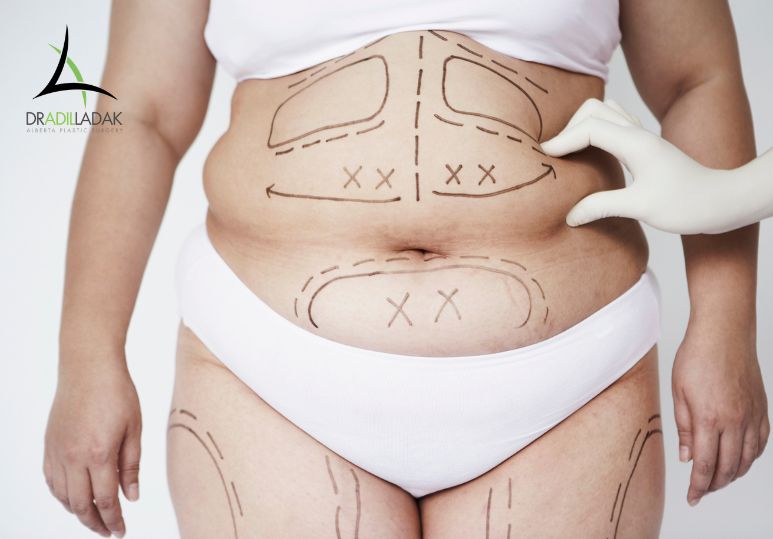
After discussing goals and medical background, the surgeon typically performs a physical evaluation of the areas the patient would like to treat. This assessment helps determine whether liposuction can produce safe and effective results.
Several factors are evaluated during this stage. The surgeon looks at the distribution of fat deposits, the quality and elasticity of the skin, and the natural proportions of the body. Skin elasticity is particularly important because the skin must be able to adapt to the new contours once fat is removed. Patients with good skin elasticity often experience smoother and more predictable results.
The surgeon may also examine muscle tone and the overall balance of surrounding areas. Liposuction is often planned with overall body proportions in mind, rather than focusing on a single isolated area. This approach helps create results that appear natural and harmonious.
During the evaluation, the surgeon may explain which areas are suitable for treatment and how liposuction may reshape those areas. Diagrams or visual explanations may be used to help patients understand how fat removal can influence body contours. Some surgeons also discuss the amount of fat that can safely be removed and the limitations of the procedure.
Treatment planning may include selecting the most appropriate liposuction technique. Modern liposuction methods are designed to remove fat with precision while minimizing trauma to surrounding tissues. These techniques may help reduce bruising and improve recovery compared with older approaches.
Patients may also learn whether liposuction alone will achieve their goals or whether combining procedures could produce better contouring results. This step ensures that the final plan is tailored to the patient’s anatomy, safety considerations, and aesthetic goals.
PROCEDURE, RECOVERY, AND NEXT STEPS
Education is one of the most important parts of a liposuction consultation. Once the surgeon has evaluated the patient and discussed treatment planning, they typically explain how the procedure works and what the patient can expect before, during, and after surgery.
Patients may learn how liposuction removes fat through small incisions using a specialized instrument called a cannula. The cannula is carefully moved beneath the skin to break up and remove fat deposits from targeted areas. Surgeons often explain how modern techniques allow for controlled fat removal and more refined contouring.
Preparation instructions are also discussed. Patients may be advised to adjust certain medications, avoid smoking before surgery, and arrange transportation for the day of the procedure. These steps help support safety and a smoother recovery process.
Recovery expectations are another major topic during the consultation. Patients are typically informed that swelling and bruising are common during the early stages of healing. Compression garments are often recommended to help support the treated areas and promote proper contouring during recovery.
The surgeon may also explain how long healing may take and when patients can expect to return to work or normal activities. While initial recovery may occur within a few weeks, final results often develop gradually as swelling continues to decrease.
Before the consultation ends, patients have the opportunity to ask questions about the procedure, potential risks, and expected outcomes. Clear communication helps ensure that patients feel informed and comfortable with their decision.
At Alberta Plastic Surgery, consultations focus on patient education and personalized planning. If you are considering liposuction, contact us to schedule a consultation and learn more about available treatment options.
FAQs
Q: How long does a liposuction consultation take?
A: A liposuction consultation typically lasts between 30 and 60 minutes. This allows enough time to review medical history, evaluate treatment areas, discuss expectations, and answer patient questions.
Q: Do I need to prepare for the consultation?
A: Patients may be asked to provide medical history information and a list of medications they currently take. Some patients also bring photos or examples to help explain the body contouring results they hope to achieve.
Q: Will the surgeon tell me if I am a good candidate for liposuction?
A: Yes. During the consultation, the surgeon evaluates factors such as overall health, fat distribution, and skin elasticity to determine whether liposuction is an appropriate treatment option.