
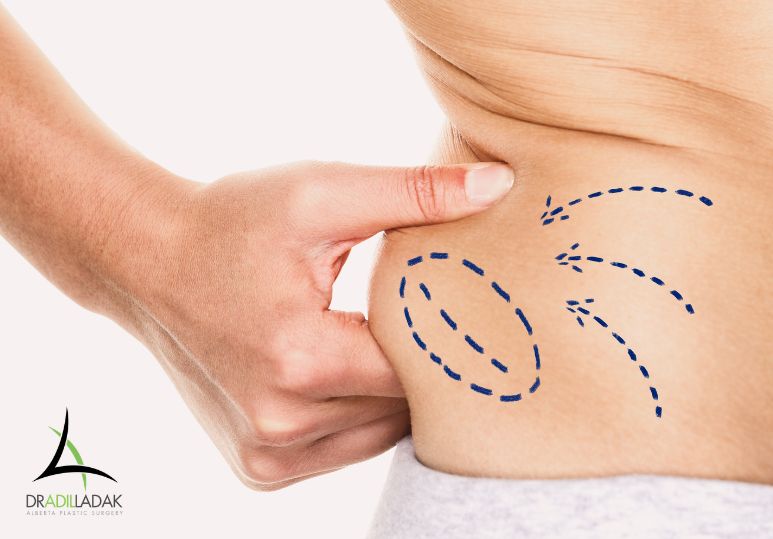
Why Fat Becomes Resistant
Stubborn fat is largely influenced by how the body stores and releases energy. Different areas of the body respond differently to fat loss due to biological and physiological factors.
Key contributors include:
- Genetics
The body is predisposed to store fat in specific areas. Common regions include the abdomen, thighs, hips, and flanks. These patterns vary by individual and are often difficult to change.
- Fat Cell Receptors
Fat cells contain receptors that regulate fat release. Some areas have a higher concentration of receptors that slow down fat breakdown, making those areas more resistant.
- Blood Flow
Reduced circulation in certain areas can limit how efficiently fat is mobilized and used for energy.
- Hormonal Factors
Hormones influence how and where fat is stored. Changes in hormone levels can make certain areas more prone to retaining fat.
Because of these factors, the body may lose fat in some areas while maintaining it in others. This uneven response is what leads to the appearance of stubborn fat.
Limits of Diet and Exercise
Diet and exercise are essential for overall health, but they have limitations when it comes to targeting specific areas of fat.
A common misconception is the idea of spot reduction. Many people believe that focusing exercises on a specific area will reduce fat in that location. In reality, the body does not work this way.
What typically happens:
- Fat loss occurs across the body, not in isolated areas
- Some areas respond more quickly than others
- Resistant areas are often the last to change
Even with consistent effort, these areas may show minimal improvement.
Additional limitations include:
- Plateaus
The body adapts over time, slowing fat loss despite continued effort.
- Muscle Development
Exercise can build muscle and improve overall appearance, but it does not directly eliminate localized fat.
- Sustainability
Extreme dieting or overtraining is not sustainable and may not significantly impact stubborn fat areas.
When Liposuction Is Considered
For individuals who are close to their target weight and maintain consistent habits, but still experience resistant fat in specific areas, additional treatment options may be considered.
Liposuction is designed to address these localized fat deposits.
It is used to:
- Target specific areas of fat
- Improve body contour and proportions
- Refine areas that do not respond to traditional methods
It is important to understand that liposuction is not a weight loss procedure. It is a contouring solution intended to complement, not replace, a healthy lifestyle.
Ideal candidates are typically:
- Near their goal weight
- In good overall health
- Looking to improve specific areas
Results depend on several factors, including:
- Skin elasticity
- Treatment area
- Long-term lifestyle habits
While fat cells removed during the procedure do not return, maintaining results requires consistent weight management. Remaining fat cells in the body can still expand if weight is gained.
Understanding when to consider liposuction helps patients make informed decisions based on realistic expectations rather than frustration with slow progress.
FAQs:
Q: WHY DOES STUBBORN FAT NOT GO AWAY WITH DIET AND EXERCISE?
A: Stubborn fat is influenced by genetics, hormones, and fat cell behavior, making certain areas more resistant to fat loss despite consistent effort.
Q: CAN YOU TARGET FAT LOSS IN SPECIFIC AREAS?
A: No. The body does not allow spot reduction. Fat loss happens overall, and some areas naturally respond slower than others.
Q: IS LIPOSUCTION EFFECTIVE FOR STUBBORN FAT?
A: Yes. Liposuction is designed to target localized fat deposits that do not respond to diet and exercise, improving body contour rather than overall weight.