
START WITH YOUR FEATURES
One of the most important elements of natural-looking plastic surgery is recognizing that every patient begins with different anatomy. Facial proportions, skin quality, bone structure, breast shape, body composition, and tissue characteristics can all influence what may be achieved through surgery.
Rather than attempting to create the same appearance for every patient, treatment should be planned around the individual's existing features. The goal may be to improve proportion, restore volume, reduce excess tissue, or refine a particular area while maintaining balance with surrounding features.
For example, facial procedures should consider how the eyes, nose, cheeks, jawline, and neck relate to one another. Changing one feature too dramatically could affect the overall balance of the face. Similarly, breast surgery involves more than selecting a particular implant size. Chest dimensions, existing breast tissue, skin quality, and body proportions may all influence the final appearance.
The same principle applies to body contouring. Procedures such as liposuction or abdominoplasty are designed around an individual's natural body shape rather than creating an identical contour for every patient.
Important considerations may include:
- Anatomy
- Proportion
- Balance
- Symmetry
- Tissue
- Skin
Natural-looking results begin with understanding what can realistically complement the patient's existing appearance.
PLAN FOR BALANCE
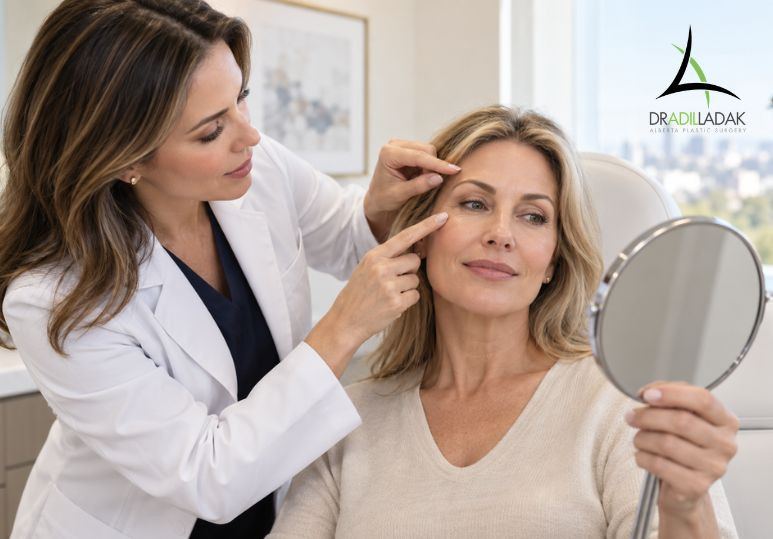
Thoughtful planning is another important part of achieving natural-looking plastic surgery results. During a consultation, patients can discuss what they would like to change and what they hope their appearance will look like following treatment.
Clear communication is especially important. Some patients want subtle changes that may not be immediately noticeable to others, while others are looking for a more significant transformation. Understanding these preferences helps establish a treatment plan that reflects the patient's individual goals.
Realistic expectations are equally important. Plastic surgery can improve certain features, but every procedure has limitations. Factors such as skin elasticity, anatomy, previous procedures, age, and healing patterns may influence the final outcome.
Photographs and examples can sometimes help patients communicate what they like, but another person's result cannot necessarily be recreated exactly. Each procedure needs to account for the patient's unique starting point.
Natural results are often created through careful decisions about how much tissue to remove, reposition, reshape, or add. Making a larger change does not automatically create a better result. In some situations, a more conservative approach may better preserve natural proportions.
The goal is to create improvement without making the treated area appear disconnected from the rest of the face or body.
HEALING TAKES TIME
Even carefully planned plastic surgery does not produce its final appearance immediately. Swelling, bruising, temporary changes in sensation, and changes in tissue position can all occur during the healing process.
Depending on the procedure, initial swelling may improve relatively quickly while more subtle changes continue for weeks or months. Incisions also mature gradually, meaning scars can change in colour and appearance as healing progresses.
Following post-operative instructions can support the recovery process. Patients may be advised to:
- Rest
- Protect
- Hydrate
- Avoid
- Elevate
- Follow-up
Specific recommendations vary depending on the procedure and individual patient.
Long-term habits may also influence how results age. Maintaining a relatively stable weight, protecting the skin from excessive sun exposure, avoiding smoking, and following an appropriate skincare routine can help support the appearance of surgical results.
Plastic surgery also does not stop natural aging. Skin, tissues, and facial structures continue to change over time. Weight fluctuations, pregnancy, genetics, lifestyle, and environmental exposure may also affect results in the years following treatment.
Natural-looking plastic surgery therefore involves more than what happens during the procedure itself. It combines individualized planning, appropriate surgical techniques, realistic goals, and allowing the body sufficient time to heal.
Natural-looking plastic surgery results are generally achieved by working with a patient's existing features rather than attempting to completely change them. Anatomy, proportion, surgical planning, realistic expectations, and recovery can all contribute to how balanced the final outcome appears.
There is no universal procedure, size, shape, or technique that creates the ideal result for every patient. A personalized consultation provides an opportunity to discuss specific concerns, explore appropriate treatment options, and understand what may realistically be achieved.
Contact Alberta Plastic Surgery to learn more about cosmetic surgery options and discuss a treatment approach designed around your individual features and goals.
FAQs
Q: WHAT DOES NATURAL-LOOKING PLASTIC SURGERY MEAN?
A: Natural-looking plastic surgery generally refers to results that complement a patient's existing features and proportions. The goal is not necessarily to make surgery impossible to detect, but to create an outcome that appears balanced with the surrounding face or body. What looks natural will vary between patients because anatomy, preferences, and treatment goals are different for everyone.
Q: CAN PLASTIC SURGERY LOOK SUBTLE?
A: Yes, depending on the procedure, anatomy, and patient's goals, plastic surgery can be planned to create relatively subtle changes. Patients should clearly communicate how much change they are hoping to achieve during their consultation. This allows the surgical plan to consider both the area being treated and how the proposed changes may affect overall proportions.
Q: HOW LONG UNTIL RESULTS LOOK NATURAL?
A: Recovery timelines vary considerably depending on the procedure and individual healing response. Swelling and bruising can temporarily affect appearance after surgery, and the final result may take weeks or months to become apparent. Following post-operative instructions and attending scheduled follow-up appointments allows healing and results to be monitored over time.