
BE READY TO SHARE
Before your appointment, spend some time thinking about what you would like to change and why. You do not need to know the exact procedure you want. In fact, focusing on the concern rather than choosing a treatment yourself can be helpful. You might want to improve loose abdominal skin, reduce fullness in a particular area, address changes after pregnancy, refresh facial features, or restore proportions that have changed with age.
Be specific about what bothers you, but remain open to different recommendations. A surgeon may suggest an approach that differs from what you originally researched because anatomy, skin quality, tissue characteristics, medical history, and desired outcome all affect treatment planning.
Consider asking about:
- Options
- Technique
- Scarring
- Recovery
- Risks
- Results
Also consider your timeline. If you are planning surgery around a wedding, vacation, work commitment, pregnancy plans, or another major event, mention it during the consultation. Recovery varies by procedure, and swelling or other changes can continue after you feel ready to resume everyday activities.
Your consultation is also the time to discuss previous cosmetic treatments or surgeries. Even procedures performed years earlier may be relevant when planning a new treatment. Bring information about previous operations when available and explain whether you experienced any complications with surgery, anesthesia, scarring, or healing.
Most importantly, approach the consultation as a conversation rather than a commitment. The purpose is to gather information, understand possibilities and limitations, and determine whether you feel comfortable moving forward.
Your health history plays an important role in determining whether a procedure may be appropriate and how surgery should be planned. During a plastic surgery consultation, you may be asked about medical conditions, previous operations, allergies, medications, supplements, smoking or nicotine use, and other factors that could affect surgery or recovery.
Answer these questions accurately, even if something seems unrelated to cosmetic surgery. Certain medications and supplements can affect bleeding, anesthesia, or healing. Smoking and nicotine use can also interfere with blood flow and wound healing, making it important for your surgical team to have complete information.
You may also be asked about previous pregnancies, weight changes, exercise habits, or future plans depending on the procedure being considered. For example, significant future weight changes or pregnancy may affect the longevity of certain body contouring results. This does not automatically mean treatment is unsuitable, but it may influence timing and recommendations.
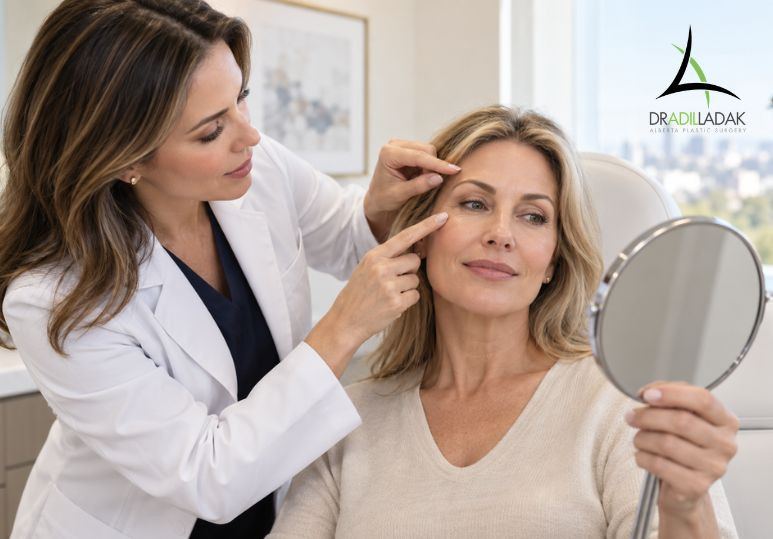
The physical assessment will depend on the area you want treated. The surgeon may evaluate skin elasticity, tissue distribution, proportions, symmetry, existing scars, and other anatomical characteristics. Measurements or photographs may also be taken as part of treatment planning.
This assessment helps determine what can realistically be changed. Two people requesting the same procedure can require very different surgical plans because their starting anatomy is different.
Be prepared to explain what a successful result means to you. Statements such as wanting to look younger, slimmer, or more proportionate can be useful starting points, but additional detail can make your goals clearer. If you want a subtle change rather than a dramatic one, say so. If one specific feature concerns you more than others, make that clear as well.
A productive consultation should help connect your goals with what is realistically achievable for your body or face. Understanding those boundaries before surgery can reduce misunderstandings and support more informed expectations.
ASK THE RIGHT QUESTIONS
A consultation should provide more than the name of a procedure. It should help you understand what the operation involves, what recovery may look like, what risks need to be considered, and what kind of result may reasonably be expected.
Ask why a particular procedure or technique is being recommended. Understanding the reasoning behind the treatment plan can help you compare options and make a more informed decision. Depending on your goals, there may be more than one approach available, each with different benefits, limitations, scars, and recovery requirements.
You should discuss where incisions may be placed and what scars are expected. Surgical scars generally change over time, but they do not disappear completely. Their final appearance varies according to the procedure, incision location, genetics, skin characteristics, healing, and postoperative care.
Recovery deserves detailed discussion as well. Ask when you may be able to return to work, drive, exercise, lift heavier objects, travel, or resume other normal activities. These timelines are not identical for every patient, so consider them estimates rather than guarantees.
You may also want to ask about:
- Anesthesia
- Discomfort
- Garments
- Follow-ups
- Restrictions
- Complications
Discuss potential risks and how complications are managed. Every surgical procedure carries risk, and understanding those possibilities is part of informed decision-making. Your consultation should give you an opportunity to ask questions until you understand the information being provided.
Cost is another practical consideration. Ask what the quoted fee includes and whether there could be additional expenses associated with the procedure, anesthesia, facility, garments, medications, or follow-up care. Knowing the full financial picture can help you plan appropriately.
Before leaving, make sure you understand the next steps if you decide to proceed. These may include additional medical information, testing, preoperative instructions, scheduling, or another appointment.
GIVE YOURSELF TIME
You do not need to make a final decision during your first consultation. Cosmetic surgery is elective, and taking time to consider the information you received can be valuable. Review the recommended procedure, expected recovery, risks, scars, costs, and potential results without feeling pressured to decide immediately.
After the appointment, you may think of additional questions. Write them down and ask the clinic for clarification before committing to surgery. It is better to resolve uncertainty beforehand than to enter a procedure with unanswered concerns.
Think realistically about recovery support as well. Depending on the operation, you may need someone to drive you home, stay with you initially, help with children or pets, assist with household tasks, or adjust work responsibilities. Planning these details in advance can make the early recovery period easier to manage.
Your emotional expectations matter too. Swelling, bruising, dressings, and temporary changes can make early results look very different from the eventual outcome. Some procedures require weeks or months before tissues settle and the final result becomes clearer. Understanding that progression can help you prepare for the recovery experience.
Consider whether your motivation for surgery comes from your own goals. Cosmetic procedures are personal decisions, and treatment should reflect what you want rather than pressure from partners, friends, trends, or social media.
If you decide to proceed, follow all preoperative instructions carefully. You may receive guidance about medications, nicotine, alcohol, eating and drinking before surgery, transportation, clothing, and preparing your recovery space. Instructions vary by operation and individual medical needs, so follow the directions provided specifically to you.
A well-prepared consultation should leave you with a clearer understanding of your options, not simply a surgery date. You should know what the procedure is intended to address, its limitations, the expected recovery, potential risks, and what will be required from you before and after treatment.
Taking the time to prepare, ask questions, and consider the information carefully can help you approach plastic surgery with realistic expectations. At Alberta Plastic Surgery, a consultation provides an opportunity to discuss your concerns, explore appropriate options, and develop an individualized treatment plan based on your anatomy and goals.
FAQ'S
Q: WHAT SHOULD I BRING TO A PLASTIC SURGERY CONSULTATION?
A: Bring information about your medical history, current medications and supplements, previous surgeries, and any questions you want to discuss. You may also bring reference photographs if they help communicate your preferences, although they should be used as discussion tools rather than examples of an exact result that can be recreated.
Q: WHAT QUESTIONS SHOULD I ASK DURING MY CONSULTATION?
A: Ask about the recommended procedure, why it may be appropriate for you, expected scars, recovery, potential risks, limitations, costs, and anticipated results. You should also understand what preparation is required before surgery and what restrictions may apply afterward. Writing questions down beforehand can help you remember everything you want to discuss.
Q: DO I HAVE TO BOOK SURGERY AFTER MY CONSULTATION?
A: No. A consultation is an opportunity to gather information and determine whether plastic surgery is appropriate for your goals. You can take time afterward to consider the procedure, recovery, risks, costs, and expected outcome. You should feel informed and comfortable with your treatment plan before deciding whether to proceed.